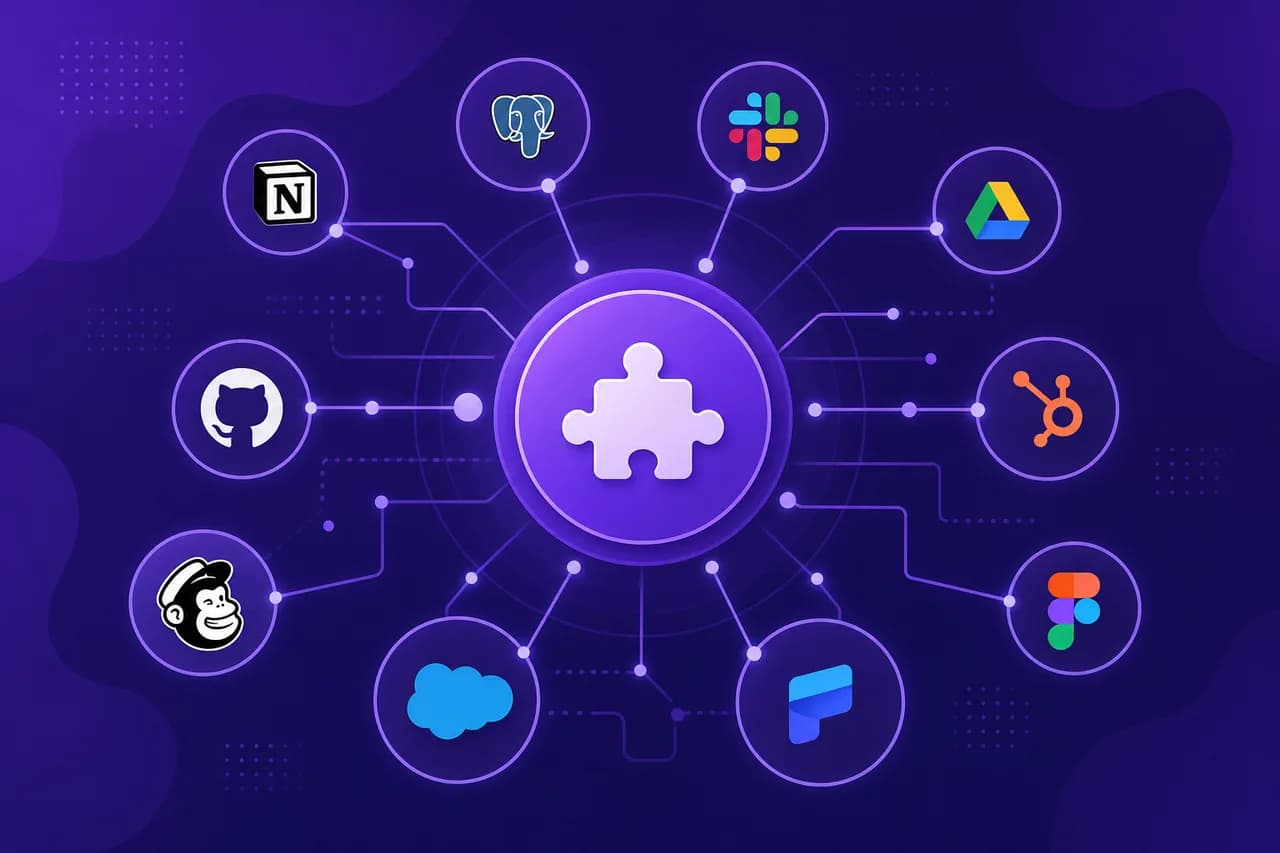
The best integrations remove duplicate data entry between Hubnity and the tools your team already uses every day.
Integrate where work starts
Connect the systems that initiate tasks—Jira, Asana, Slack, Google Calendar—so time tracking begins closer to the moment work starts.
Every manual hop between apps costs a few seconds that add up across a team of twenty.
Prioritize two integrations first
Do not enable everything at once. Pick the project tool and communication tool your team uses most, configure them well, then expand.
Two stable integrations beat five half-configured ones.
Map projects once
During setup, align external projects to Hubnity projects so entries land correctly without daily mapping.
Revisit mappings when you reorganize teams or rename initiatives.
Use webhooks for finance and ops
When approved time should trigger billing or payroll updates, webhooks keep downstream systems synchronized without manual exports.
Test webhook payloads in a sandbox environment before production.
Measure time saved honestly
After 30 days, survey the team: Are they opening Hubnity less often to fix entries? Are managers spending less time cleaning timesheets?
That feedback tells you which integration to improve next.